K-12 Through PhD Tech Mentorship
Technical mentorship K-12 to PhD: game dev (middle school), web portfolios (high school), CS tutoring (college).
Role
Mentor
Year
2017
Tech Stack
Client
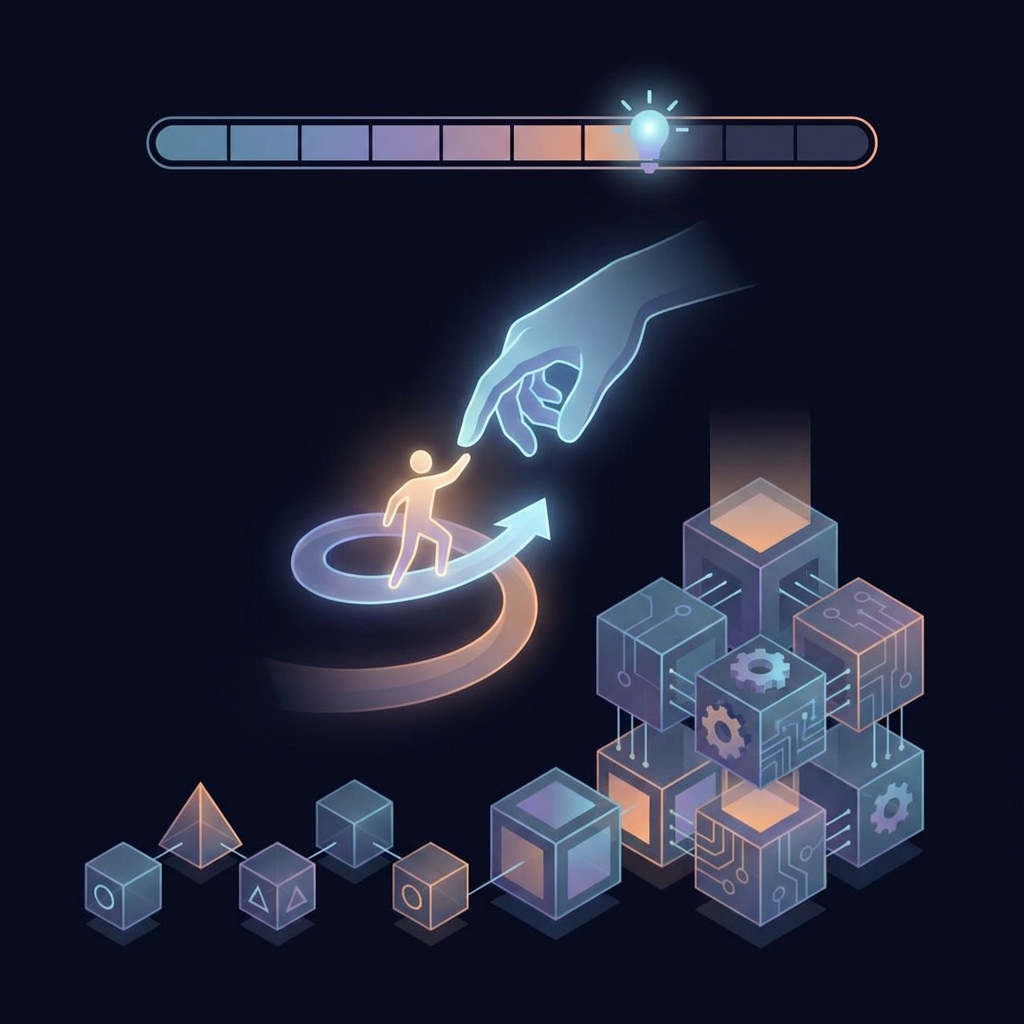
The engagement provides technical mentorship from middle school through doctoral programs. The constraint is breadth: effective teaching methods vary by developmental stage, learning goals, and tolerance for ambiguity.
For middle school students, JavaScript and Python game development is used to introduce programming fundamentals through immediate visual feedback. Concepts map to game mechanics, such as variables for player state, conditionals for collision behavior, and loops for repeated events. The approach prioritizes minimal setup and fast feedback to reduce frustration and sustain engagement.
For high school students, mentorship shifts toward web portfolios that support college applications and early internships. Students learn HTML, CSS, and JavaScript while organizing work into clear, presentable artifacts. Emphasis includes content structure, visual hierarchy, and describing decisions clearly for non-technical reviewers.
For college students, tutoring spans foundational topics and advanced work. Undergraduate sessions emphasize conceptual understanding that generalizes beyond assignments. Graduate support connects theory to implementation choices. Doctoral mentorship focuses on research methods, including defining questions, evaluating prior work, and designing defensible experiments.
The approach adapts to individual needs: conceptual scaffolding, debugging support, or architecture guidance. Success is defined by increased autonomy rather than ongoing dependency.
Outcomes
Stage-appropriate mentorship supports progression from introductory programming through advanced academic work. Tailoring pedagogy, pacing, and artifacts to learner context improves engagement and builds transferable capability across the educational pipeline.